
 It’s easy to assume that homelessness comes down to personal choices. After years of working alongside our neighbors, we’ve learned the reality is far more complicated. Almost no one chooses to give up the safety and stability of a home. Researchers who study homelessness across the country consistently find a mix of forces, some large and systemic, others deeply personal. Here are three of the most important.
1. Housing costs have outpaced what people earn
The strongest predictor of how much homelessness a community has is how expensive its housing is. Study after study has found that places with high rents have high rates of homelessness, and that homelessness rises when rents climb faster than incomes.
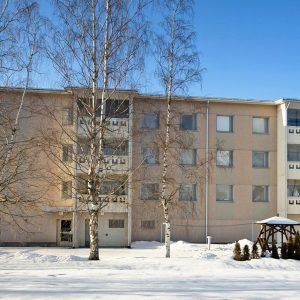
The pressure shows up in everyday budgets. Nationally, half of renters spend at least 30% of their income on rent, and a quarter spend at least half. When that much of a paycheck goes to housing, there is almost no cushion left for anything else.
In Boulder County, a one-bedroom apartment averages about $1,545 a month. Someone earning minimum wage would need to work 82 hours a week to afford it. And help is hard to find: for every affordable unit, there are about 100 low-income households looking for one, and federal assistance reaches only 1 in 4 who qualify.
2. One bad month can undo years of stability
For households already stretched thin, an unexpected shock can be enough to lose housing: a layoff, a reduction in hours, a medical bill, a car repair that costs someone their job, or an eviction notice. Wages that haven’t kept pace with rent, limited savings, and a safety net with gaps make it hard to recover. 
Many of the people we serve were working, parenting, and paying bills right up until something went wrong.
With rents this high, there is rarely a cheaper place to land, and without family or friends who have room to take them in, there is often nowhere to turn. For someone who grew up in poverty and has no family to fall back on, a single emergency can be enough to lose housing.
3. Personal circumstances shape who is hit hardest
Every person’s story is different. Some are fleeing domestic violence. Some are young adults who aged out of foster care or left home with no support. Some are veterans, or people leaving incarceration or a hospital stay with no housing lined up. Mental illness, substance use, and trauma play a real role in who becomes homeless, especially for people who are homeless for a long time.
But these challenges are not the whole picture. Many people live with them and stay housed, because they have the income, family support, or care they need. When housing is scarce and expensive, the people with the fewest resources are the ones left without.
What this means for our community
Because homelessness has more than one cause, it takes more than one solution: more affordable housing, help that keeps people in their homes, and support for health, safety, and recovery. When people have a stable place to live, they can begin to rebuild everything else.
That’s the work you make possible at HOPE every day. Our Outreach and Shelter Navigation Teams are dedicated to reaching as many of our unhoused neighbors as possible, every day. By providing the support and belonging that each person and situation requires, we empower our neighbors to access the resources available and rebuild their lives.
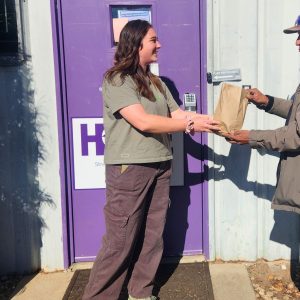 This year, our Outreach Center is serving more than twice as many people as last year. Rising costs of living and housing are putting pressure on the neighbors we serve and on HOPE itself. Our operating costs are growing faster than our funding, and resources are tight.
Even so, we are on track to return 84 of our neighbors to secure housing in 2026, 15% more individuals and families than last year. Every gift helps us keep our outreach and shelter navigation teams effective and our neighbors on the path to housing. Thank you for standing behind our team.